



Farmers’ markets are more than places to buy food. They are weekly celebrations of community and local culture. Picture a Saturday morning at the market. Neighbours greet each other with warm smiles as they browse stalls overflowing with colourful produce. The air fills with the aroma of fresh bread and brewed coffee.
The atmosphere is lively and welcoming, almost festive. At Secret Lands Farm, we cherish these moments. Every week, we connect with our community at local markets. We see firsthand how these gatherings bring people together.
As we welcome 2026, it’s the perfect time to reflect on why farmers’ markets matter to our community. They boost our local economy, strengthen our social fabric, improve our health, and even help the environment.
When society is more informed about the value of these markets, everyone benefits. In this article, we explore these benefits. We also share how your support for farmers’ markets – including our own Secret Lands Farm stall – makes a real difference.
Farmers’ Markets Fuel the Local Economy
How Farmers’ Markets Support the Local Economy in Canada
Buying local is an investment in our own community.
When we spend money at farmers’ markets, those dollars stay close to home.
Studies show that for every dollar spent at a farmers’ market, nearly three dollars return to the local economy.
This ripple effect strengthens towns, cities, and rural regions alike.
In Ontario alone, farmers’ markets generate almost $600 million in annual sales.
That activity creates an estimated $1.8 billion in total economic impact.
Growth of Farmers’ Markets in Ontario
Farmers’ markets are not slowing down.
They continue to grow year after year.
Over the past decade, sales at Ontario farmers’ markets increased by roughly 10–12% annually.
Today, total sales exceed $800 million annually.
This growth fuels more than $2.5 billion in economic activity across the province.
These numbers show the real power of local food systems.
How Farmers’ Markets Create Jobs and Support Farmers
Local commerce supports real people and real livelihoods. Every market stall represents more than one job.
For every person selling at a farmers’ market, two more people work behind the scenes on the farm.
Together, they plant, harvest, process, and prepare food for the community.
Across Ontario, about 27,000 people earn income through farmers’ market production and sales.
These markets help family farms remain viable and independent.
How Farmers’ Markets Strengthen Local Businesses
Farmers’ markets lift entire neighbourhoods.
Market days bring energy and foot traffic to the surrounding areas.
Many shoppers turn a market visit into a whole outing.
They stop for coffee, visit nearby shops, or dine locally.
In fact, up to 70% of market visitors also shop at neighbouring businesses.
This shared traffic benefits the broader local economy.
Farmers’ Markets as Launchpads for Small Food Businesses
Farmers’ markets also encourage entrepreneurship.
They offer an affordable way for small producers to start and grow.
Setting up a market stall requires less capital than opening a storefront.
This makes markets ideal testing grounds for new food businesses.
Many beloved local bakeries, cheesemakers, and specialty producers began at farmers’ markets.
Over time, some expanded into permanent shops.
Through this process, farmers’ markets keep local economies diverse, resilient, and innovative.
Market isn’t just about transactions – it’s about relationships, cultural exchange, and keeping our community spirit alive.
Building Community Bonds at the Farmers’ Market
Farmers’ Markets as Community Gathering Places
In today’s fast-paced world, farmers’ markets offer a rare chance to slow down.
They create space for authentic connection.
Farmers’ markets act as informal community hubs. People of all ages and backgrounds gather in one shared place.
Unlike supermarkets, the experience feels personal.
Conversations happen naturally and often without rush.
Social Connection at Farmers’ Markets
At the market, shoppers talk directly with farmers.
They ask how food is grown and learn where it comes from.
Neighbours pause to catch up.
Families turn grocery shopping into a meaningful weekly ritual.
Music, laughter, and conversation often fill the air.
Buying food feels joyful, not transactional.
Research shows people feel happier when socially connected.
Farmers’ markets create exactly this kind of welcoming space.
How Farmers’ Markets Strengthen Community Wellbeing
These gatherings support more than food access.
They strengthen emotional and social well-being.
When people meet regularly in familiar spaces, trust grows.
A sense of belonging follows.
Farmers’ markets bring people together in positive ways.
They help communities feel more resilient and connected.
Preserving Local Traditions Through Farmers’ Markets
Farmers’ markets also protect local traditions.
Many vendors represent family-run farms that have been passed down through generations.
By shopping at their stalls, we support more than a product.
We help preserve a way of life.
As large agribusiness expands, small farms face pressure.
Farmers’ markets give them a fighting chance to survive.
Farmers’ Markets and Agricultural Heritage
Our community retains a direct link to where food comes from.
This connection keeps agricultural heritage alive.
Children learn that food has a story.
Adults reconnect with seasonal rhythms.
These lessons matter more than ever in modern life.
Farmers’ Markets as Intergenerational Spaces
For many families, the market becomes a weekly tradition.
Grandparents, parents, and children attend together.
They share recipes, memories, and conversations.
Food becomes a bridge between generations.
This intergenerational experience strengthens community bonds.
It builds continuity and shared values.
More Than Shopping: Relationships and Culture
Farmers’ markets are not just about transactions.
They are about relationships, support cultural exchange and shared identity.
They keep community spirit alive.
Each market day reminds us that food connects us.
Not just to farms, but to one another.
Fresh Food for Healthy Communities
Access to Fresh, Local, Nutrient-Dense Food
One of the most significant benefits of farmers’ markets is access to truly fresh food.
Fruits and vegetables often reach the market just hours after harvest.
They are picked at peak ripeness.
As a result, they deliver better flavour and higher nutritional value.
This freshness sets farmers’ market food apart.
Most grocery store produce spends days or weeks in transit and storage.
How Farmers’ Markets Improve Healthy Eating Habits
When farmers’ markets operate nearby, people eat more fresh produce.
Accessibility changes behaviour.
A study in Texas showed that opening a small farm stand increased fruit and vegetable consumption in a low-income neighbourhood.
The presence of fresh food made healthier choices easier.
Another study in North Carolina found that youth living near a farmers’ market had lower body mass index (BMI).
Proximity mattered.
Farmers’ Markets and Public Health Outcomes
Public health experts pay close attention to farmers’ markets.
They recognize their role in building healthier communities.
In fact, the American Fitness Index uses the number of farmers’ markets per capita as a health indicator.
This measurement reflects access to nutritious food.
When fresh and affordable food is easy to find, families make better choices.
Health improves naturally and consistently.
Learning About Food Through Farmers’ Markets
Farmers’ markets also encourage food education.
Every visit becomes an opportunity to learn.
Shoppers often ask farmers simple questions.
“How do you cook these beets?”
“What’s the best way to use this herb?”
These conversations turn shopping into a shared learning experience.
No supermarket can offer that kind of connection.
Seasonal Eating and Food Awareness
Through direct interaction with growers, people learn what is in season.
They understand how food is grown and prepared.
This knowledge builds respect for ingredients.
It deepens appreciation for what ends up on the plate.
Seasonal eating also encourages variety.
It naturally aligns diets with nature’s rhythms.
Whole Foods Without Unnecessary Additives
Most markets foods are whole and minimally processed.
They do not rely on preservatives or artificial ingredients.
By choosing local produce and artisan foods, we reduce the use of sugar, salt, and additives.
Our diets become simpler and cleaner.
Over time, these choices matter.
They support long-term health and well-being.
A Healthier Community, One Market at a Time
Healthy communities start with access to good food.
Farmers’ markets make that access possible.
Each basket filled at the market supports better nutrition.
Each visit strengthens habits that last.
The result is a healthier community.
One market basket at a time.
Reducing Our Carbon Footprint by Buying Local
How Buying Local Food Reduces Carbon Emissions
Every farmers’ market purchase supports a greener planet.
Small choices create meaningful impact.
Most grocery store produce travels long distances. On average, food can travel over 1,000 miles before reaching store shelves.
This transportation burns fuel.
It also releases carbon dioxide into the atmosphere.
Food Miles and Environmental Impact
Farmers’ market food tells a different story.
Most products come from nearby farms.
Many markets limit vendors to a 50–100-mile radius.
That keeps food truly local.
One study found that locally sourced produce travels 27 times less distance than conventional food.
Fewer miles mean fewer emissions.
Reducing food miles lowers the environmental cost of every meal.
It also eases pressure on transportation systems.
Why Fewer Food Miles Matter
When food travels shorter distances, fewer trucks hit the road.
Fuel consumption drops.
Traffic-related pollution decreases.
Air quality improves.
Practically buying local supports climate action.
It’s one of the simplest steps consumers can take.
Reducing Packaging Waste at Farmers’ Markets
Local shopping also reduces unnecessary waste.
Farmers’ market produce rarely comes wrapped in plastic.
Shoppers can bring reusable bags.
Loose fruits and vegetables naturally fill baskets.
This avoids single-use packaging that often ends up in landfills.
Less packaging means less pollution.
Sustainable Packaging and Waste Reduction
Many farmers reuse containers.
Others offer compostable or biodegradable packaging.
These practices reduce trash at every stage of the food system.
They also align with environmentally conscious living.
The result is cleaner communities and healthier ecosystems.
Supporting Sustainable Farming Practices
Farmers’ markets support people who care for the land.
Small farms depend on healthy soil and clean water.
Because of this, many follow sustainable growing practices.
About 75% of markets vendors use methods consistent with organic standards.
These approaches avoid synthetic pesticides and fertilizers.
They protect long-term soil health.
Protecting Farmland and Green Spaces
Supporting local farms helps preserve open land.
A 2015 survey found that one in four market producers farmed on protected land.
When farms remain profitable, they stay farms.
They are less likely to be sold for development.
This protects fields, trees, and wildlife habitats.
Pollinators also benefit.
Environmental Benefits of Buying Local Food
From cutting fuel use to preserving farmland, buying local makes sense. It supports climate resilience and land stewardship.
Each market purchase contributes to a healthier environment.
Together, these choices add up.
Buying local is not just personal. It’s planetary.
Secret Lands Farm: Growing with Our Community
A Family-Run Farm Rooted in Farmers’ Markets
Secret Lands Farm would not exist without farmer’ smarkets.
They have been our bridge to the community from the very beginning.
We are a family-run sheep dairy farm.
Farmer‘s markets became our way to connect with people who care about real food.
Every week, these markets allow us to share what we produce with intention and care.
They are where our story meets yours.
Meeting Our Community Face to Face
Every Saturday, you can find us at local markets around the Toronto area.
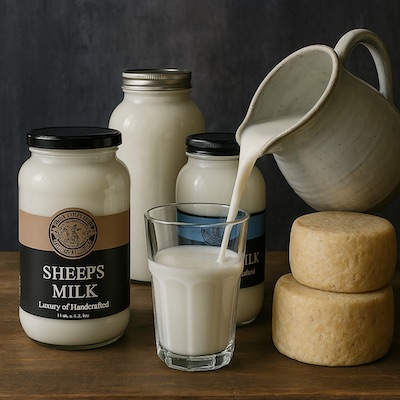
We bring our handcrafted sheep’s milk cheeses, yogurts, and pasture-raised lamb.
Markets give us something no online platform can replace.
They allow us to meet you in person.
We learn your names, listen to your feedback, exchange recipes and ideas.
This personal connection matters deeply to us.
It turns food into conversation.
More Than Commerce: Building Trust Through Food
Farmer‘s markets are not just places to sell products.
They are places to build trust.
When you meet the people who produce your food, relationships form naturally.
Shared values come to the surface.
Good food carries meaning.
It reflects care, transparency, and respect for the land.
This relationship goes beyond transactions.
It grows through honesty and shared love for local food.
How Supporting Local Farms Strengthens the Community
When you support our market stall, you support more than one farm.
You sustain local agriculture as a whole.
The dollars you spend help us care for our sheep.
They allow us to craft high-quality dairy products with intention.
They also support local jobs, help nearby businesses thrive.
We reinvest in the community by hiring locally and sourcing supplies nearby.
Your support creates a positive ripple effect.
Gratitude for Our Farmers’ Market Family
We are deeply grateful to everyone who shops local.
Your choice makes a real difference.
Your loyalty allows us to continue doing what we love.
Year after year.
You are part of our farmer‘s market family.
We do not take that lightly.
Visit Us at the Market or Shop Online
We invite you to visit our market stall and say hello.
We always love seeing new and familiar faces.
If you cannot join us in person, our online shop is always open.
You can enjoy our farm products from home.
We even deliver directly to your door.
However you choose to support us, thank you.
Here’s to a happy, healthy, and community-driven year ahead.
Sources:
- Farmer’s markets Ontario – Community Benefits: Explains the economic ripple effect of farmer‘s markets and their role in preserving family farms.
- Duuo (Co-operators) – Partner Spotlight: Farmer‘sMarkets Ontario: Notes the growth of farmer‘s market sales in Ontario over the past decade.
- Farmer‘s markets coalition – Farmers Markets Promote Sustainability: Details how local food travels far shorter distances (reducing carbon footprint) and the sustainable practices of market farmers farmersmarketcoalition.org.
- Farmer’s market Coalition – Farmer‘s markets Support Healthy Communities: Describes the social and health benefits of farmer‘s markets, including increased produce consumption and improved community well-being.