

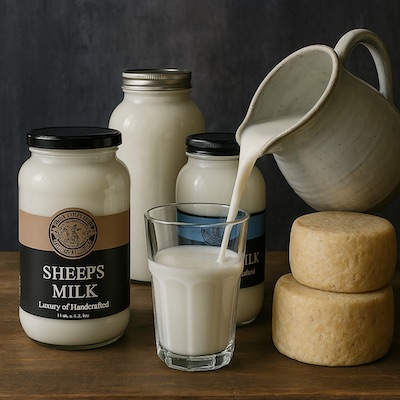

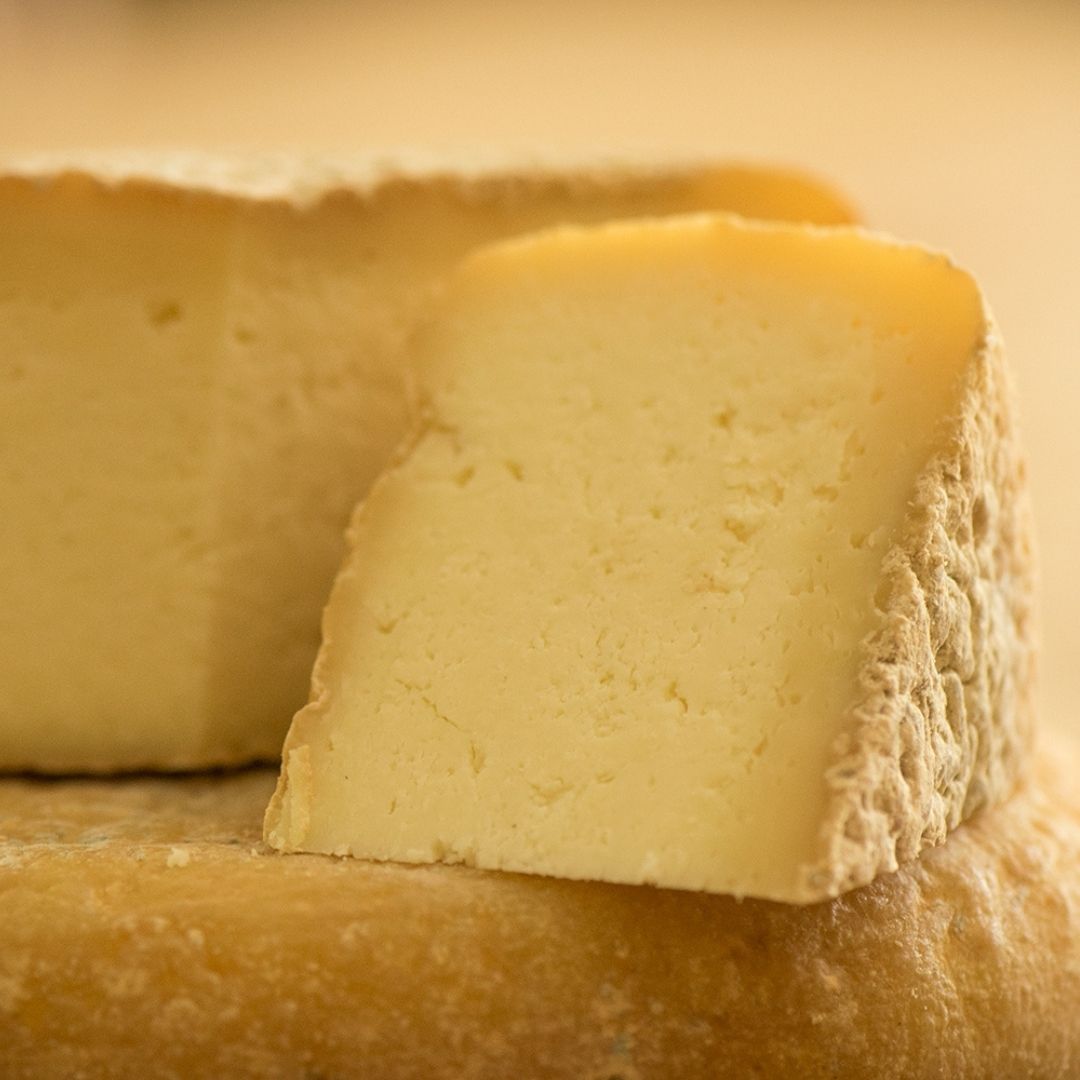
If you’ve ever wondered why raw sheep milk seems to pack more probiotic punch than pasteurized milk, you’re not alone. We at Secret Lands Farm often get this question. The answer comes down to the living beneficial bacteria – the probiotics – that thrive in raw milk but are largely eliminated when milk is pasteurized.
That’s exactly why we use raw sheep milk in our cheeses. To harness the maximum available power of this amazing milk. Its rich probiotic density and natural composition offer benefits that pasteurized milk simply can’t. Why and how this works is something we’ll explore throughout this article.
In the next sections, we’ll explain what makes raw sheep milk a naturally probiotic-rich food, why pasteurization changes the microbial landscape, and how our raw sheep milk cheeses preserve these valuable microbes while ensuring safety and compliance with Canadian law.
Raw Sheep Milk: A Natural Probiotic-Rich Food
Raw sheep milk is teeming with life. Fresh, unpasteurized milk from sheep contains a vibrant community of lactic acid bacteria (LAB) and other microorganisms. Some of which can act as probiotics. A recent study in Greece highlighted that raw sheep milk is a rich pool of indigenous microbiota. This includs LAB with “superior biotechnological, antagonistic and/or probiotic properties”.
In fact, raw sheep milk from traditional breeds has been found to harbor large populations of friendly bacteria. Researchers have measured mesophilic LAB (the kind that can benefit your gut) in raw sheep milk at around 5.7–6.3 log CFU/mL. Tthat’s on the order of one to two million bacteria per milliliter. These include genera like Lactococcus, Streptococcus, and Leuconostoc, which are known for their roles in fermentation and gut health. Other studies confirm that sheep milk naturally contains plenty of probiotic bacteria, essentially forming a built-in yogurt-like culture even before fermentation. This high “probiotic density” means raw sheep milk can deliver a variety of live beneficial microbes to your diet.
Sheep Milk’s Natural Probiotic Power
Why does sheep milk in particular host so many friendly microbes? One reason is its nutrient density. Compared to cow’s milk, sheep milk is richer in proteins (about 5–6%) and fats (around 6–7%), and it’s packed with essential minerals like calcium and phosphorus. This rich composition creates a nourishing environment for bacteria. The proteins and fats in sheep milk can protect and feed probiotic organisms, helping them survive and thrive. Think of raw sheep milk as a natural probiotic yogurt base. It has the food and shelter that good bacteria love.
Moreover, many sheep are raised in smaller flocks or more traditional, pasture-based settings. This can introduce a diverse microflora (from the farm environment and the sheep themselves) into the milk. The result is a raw milk that hosts a wide spectrum of microorganisms. From harmless environmental bacteria to beneficial LAB. These native LAB are so valued that scientists in China have been isolating strains from raw Hu sheep milk, finding several LAB with excellent probiotic potential. In summary, raw sheep milk straight from the ewe (female sheep) is not sterile. It’s alive with friendly bacteria that can support gut health.
Pasteurization vs Raw Milk: What Happens to the Probiotics?
If raw sheep milk is naturally probiotic-rich, what happens when you pasteurize it? Pasteurization is the process of heating milk to kill harmful germs. In Canada (and many other countries), milk must be pasteurized to be sold legally. The safety benefit is clear: heating milk eliminates dangerous bacteria like Listeria, Salmonella, E. coli, and others that can sometimes be present. However, this heat treatment doesn’t discriminate – it kills the good bacteria along with the bad. In other words, pasteurization “inactivates the beneficial raw milk microbiota almost completely”. By the time milk has been pasteurized, virtually all those native probiotic LAB are gone.
To put it in perspective, let’s compare raw vs pasteurized sheep milk in terms of probiotic content. As noted earlier, raw sheep milk can contain on the order of a million LAB per milliliter. Once you pasteurize that milk, the count of live bacteria plummets. One dairy research article noted that even a milder heat treatment (thermization at ~65 °C for 30 seconds) reduced the LAB counts by about 2 log units (a 100-fold reduction). Full pasteurization (72 °C for 15 seconds, or similar) is even more thorough, knocking out >99.9% of all microbes present. Essentially, pasteurized milk is close to sterile in terms of live bacteria – it might have a few hardy survivors, but not enough to confer probiotic benefits. This is why raw milk has a higher probiotic density. It retains the original live bacteria that the sheep’s milk carried, whereas pasteurized milk is mainly devoid of them.
Digestive Benefits of Raw Sheep Milk
From a health standpoint, the difference is significant. Raw milk aficionados often point out that raw milk’s microbes and enzymes can aid digestion and bolster gut flora. For instance, raw milk contains enzymes like lactase (though in very small amounts) and microbes that can help break down lactose. Pasteurization, in contrast, destroys those enzymes and organisms. We should be clear that raw milk is not a cure for lactose intolerance. Raw milk still contains lactose sugar just like pasteurized milk, and if you lack the lactase enzyme, you’ll still have trouble.
The difference is that raw milk’s bacteria (if present in sufficient numbers) might help consume some lactose or produce lactase. Still, raw milk typically contains far fewer active cultures than a fermented product like yogurt. The real takeaway is that pasteurization leaves milk biologically “dead” in terms of probiotic content. In short, raw sheep milk retains a thriving microbiome of beneficial bacteria; pasteurized milk does not. That’s the fundamental reason its probiotic density is higher.
Legal and Safety Considerations of Raw Milk in Canada
Before we go further, it’s important to address the safety side of raw milk. Here in Canada, selling raw (unpasteurized) milk for drinking is actually forbidden by law. Health Canada made pasteurization mandatory in 1991 after seeing dramatic drops in milk-borne illnesses. This is because raw milk can harbor harmful bacteria from the farm environment or the animal, which can multiply if the milk isn’t kept cold and clean. Pathogens like Salmonella, E. coli, and Listeria have been found in raw milk and can cause serious food poisoning. Symptoms from fever and vomiting to kidney failure or worse. For the general public, the law is there to protect everyone’s health by ensuring the milk you buy in stores is pasteurized and safe.
However, the situation is a bit different for raw milk dairy products like cheese. In Canada, it is legal to sell cheese made from raw or unpasteurized milk, under certain conditions. Typically, hard or aged cheeses made from raw milk must be aged for a minimum of 60 days before sale. This is not just our farm’s policy, but also a federal requirement, to ensure any potential pathogens have died off during the aging process. The aging period (about two months or more) allows the cheese’s environment to become unfriendly to bad bacteria.
How Aging Makes Raw Sheep Cheese Safe
During fermentation and aging, the good bacteria from the raw milk (and starter cultures) produce lactic acid, lowering the pH. The cheese also loses moisture (drying out) and accumulates salt from the brining process. Harmful bugs struggle to survive in this acidic, low-moisture, salty environment. Essentially, by the end of the aging period, any “bad actors” in the milk have been outcompeted by the good microbes or perished.
From a safety perspective, properly aged raw milk cheese is considered low-risk for healthy consumers. The Canadian government acknowledges that while raw milk itself is dangerous, cheese made from raw milk is generally safe because of these mitigating factors (acid, salt, aging). Though they still advise some vulnerable groups to avoid it as an extra precaution.
At Secret Lands Farm, we strictly adhere to these safety practices. All of our sheep milk cheeses made from raw milk are aged at least 60 days. And many are aged well beyond that. We take raw milk’s inherent benefits and pair them with careful fermentation and aging to create a product that is both safe and nutritionally rich. By using traditional cheesemaking methods, we ensure our cheeses keep the best of raw sheep milk (the flavor, enzymes, and friendly bacteria) while eliminating hazards. As one of our farm articles noted, after aging, 99.9% of the lactose is gone. Essentially making the cheese naturally lactose-free. And the beneficial microbes have fully matured, crowding out any harmful ones. This is great news for people who are lactose intolerant. They can often enjoy aged sheep milk cheese without issue. Since the lactose sugar has been consumed by the bacteria during fermentation.
Raw Sheep Milk Cheese: Probiotic Benefits with Peace of Mind
One of the wonderful things about our sheep milk cheese is that it allows you to get the probiotic benefits of raw milk in a safe, delicious form. When we craft cheese from raw sheep milk, we preserve all those native microbes and live cultures that pasteurized milk would otherwise lose. In fact, each wheel of raw sheep cheese is like a living community. As it ages, the bacteria continue to do their work. They deepen the flavor, develop the texture, and provide potential health perks to your gut. By the time a Pecorino-style wheel is 3 months old, it’s not only rich in taste but also packed with beneficial enzymes and bacteria.
From a probiotic standpoint, cheese can actually be an excellent delivery vehicle. The fats and proteins in cheese form a matrix that can protect bacteria as they pass through your stomach, helping more of them reach your intestines alive. Sheep milk’s high protein content and smaller fat globules make for a very creamy cheese that may shield probiotics even better. Some research indicates that fermented sheep milk products make a promising vehicle for probiotics. It has a matrix that favors bacterial viability through digestion. In simpler terms, enjoying a piece of raw sheep milk cheese might give your gut a dose of beneficial cultures similar to what you’d get from yogurt or kefir, but in a savory, solid form. And unlike a glass of raw milk, aged cheese is legal and generally regarded as safe for most people.
The Living Culture of Raw Sheep Cheese
It’s important to note that raw milk cheeses do contain live bacteria, which contribute to their character. For example, our raw sheep cheeses host a variety of LAB and sometimes beneficial surface molds. All part of the natural ecosystem of artisanal cheese. This is a good thing for flavor and potential probiotic value. But it also means raw cheeses are dynamic. We take great care in our affinage (aging process) to maintain ideal conditions, ensuring that only desirable microbes flourish. The result is cheese that is bursting with flavor and life. In fact, many cheese connoisseurs seek out raw milk cheeses for their complexity and richness. Which come directly from that diverse microbial heritage. From Parmigiano Reggiano to Manchego, some of the world’s most revered cheeses are traditionally made from raw milk. And part of their secret is the symphony of natural bacteria that develop during aging.
A Note for Expectant Mothers and Others
While we sing the praises of raw sheep milk cheese, we also want to be responsible in our recommendations. For certain individuals, raw milk products are not advised. Most notably, pregnant women should avoid consuming raw or unpasteurized milk and cheeses. Health Canada explicitly advises pregnant women to avoid raw-milk cheeses due to the risk of Listeria and other infections. This is because pregnancy suppresses parts of the immune system, making one more susceptible to severe illness from foodborne bugs.
The same caution goes for young children, the elderly, or anyone with a weakened immune system. It’s better for these folks to choose pasteurized dairy products to be extra safe. So, as healthy and delicious as raw sheep milk cheese is, if you’re expecting a baby or have immune concerns, please hold off. There are plenty of pasteurized options (and our farm makes some pasteurized milk cheeses and yogurts too) that you can enjoy in the meantime.
For the majority of people, though, an aged raw sheep cheese can be a wholesome, nutrient-dense addition to the diet. It offers a digestible source of protein, calcium, and beneficial fats, plus those probiotic cultures we’ve been talking about – all in one tasty package. Just remember that raw milk cheese, like any raw food, should come from a trusted source that follows strict hygiene and aging regulations (like we do at Secret Lands Farm). When produced and handled correctly, it’s both safe and simply brimming with farm-fresh goodness.
Conclusion: Savoring the Benefits of Raw Sheep Milk (Safely)
In summary, raw sheep milk has a higher probiotic density because it retains the natural, living bacteria that pasteurization would destroy. Sheep milk’s rich composition and traditional handling methods mean it starts off with a diverse array of friendly microbes. Pasteurization, while crucial for raw milk safety in general, wipes out nearly all of those bacteria. That’s why pasteurized milk (from sheep or any animal) has essentially no probiotics, whereas raw milk can have millions. Fortunately, through raw milk cheeses, we can enjoy the best of both worlds.
The probiotic richness of raw milk, and the safety conferred by fermentation and aging. Our Secret Lands Farm’s raw sheep milk cheeses keep all the beneficial bacteria and enzymes that give you flavor and potential health perks. While natural fermentation ensures any harmful bacteria are neutralized. These cheeses are even lactose-free after aging, making them gentler on the stomach for those with lactose intolerance.
We hope this sheds light on why raw sheep milk is often hailed for its probiotic qualities. When approached with the right precautions, it truly is a remarkable food. Nutrient-dense, alive, and crafted by nature’s tiny helpers (the probiotics). As always, your health and safety come first. Enjoy raw milk cheeses if they are right for you, but be mindful of the guidelines (especially if you’re pregnant or immunocompromised).
If you’re curious to learn more, we invite you to explore other articles about our sheep milk cheeses and the quality of our milk on Secret Lands Farm’s blog. We regularly share insights into how we farm, how we care for our sheep, and what makes our sheep milk cheese so special. Thank you for reading, and here’s to enjoying artisan sheep cheese – with clarity and confidence about its benefits!
Sources:
- Health Canada – Raw or unpasteurized milk: Safety and health risks canada.ca
- Samelis et al. 2025 – Applied Microbiology: Raw vs thermized sheep milk microbiota mdpi.com
- Pawlos et al. 2025 – Nutrients: Sheep milk composition and probiotic viability mdpi.com
- Chen et al. 2020 – BMC Microbiology: Probiotic LAB strains isolated from sheep milk link.springer.com
- Secret Lands Farm – Farm Truths: Raw milk cheese safety and aging (60-day rule, lactose breakdown) secretlands.ca
- Erika Kubick, Cheese Sex Death blog – Lactose in aged cheese and raw milk probiotic content cheesesexdeath.com