

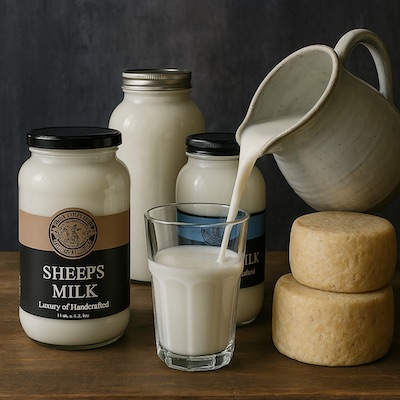

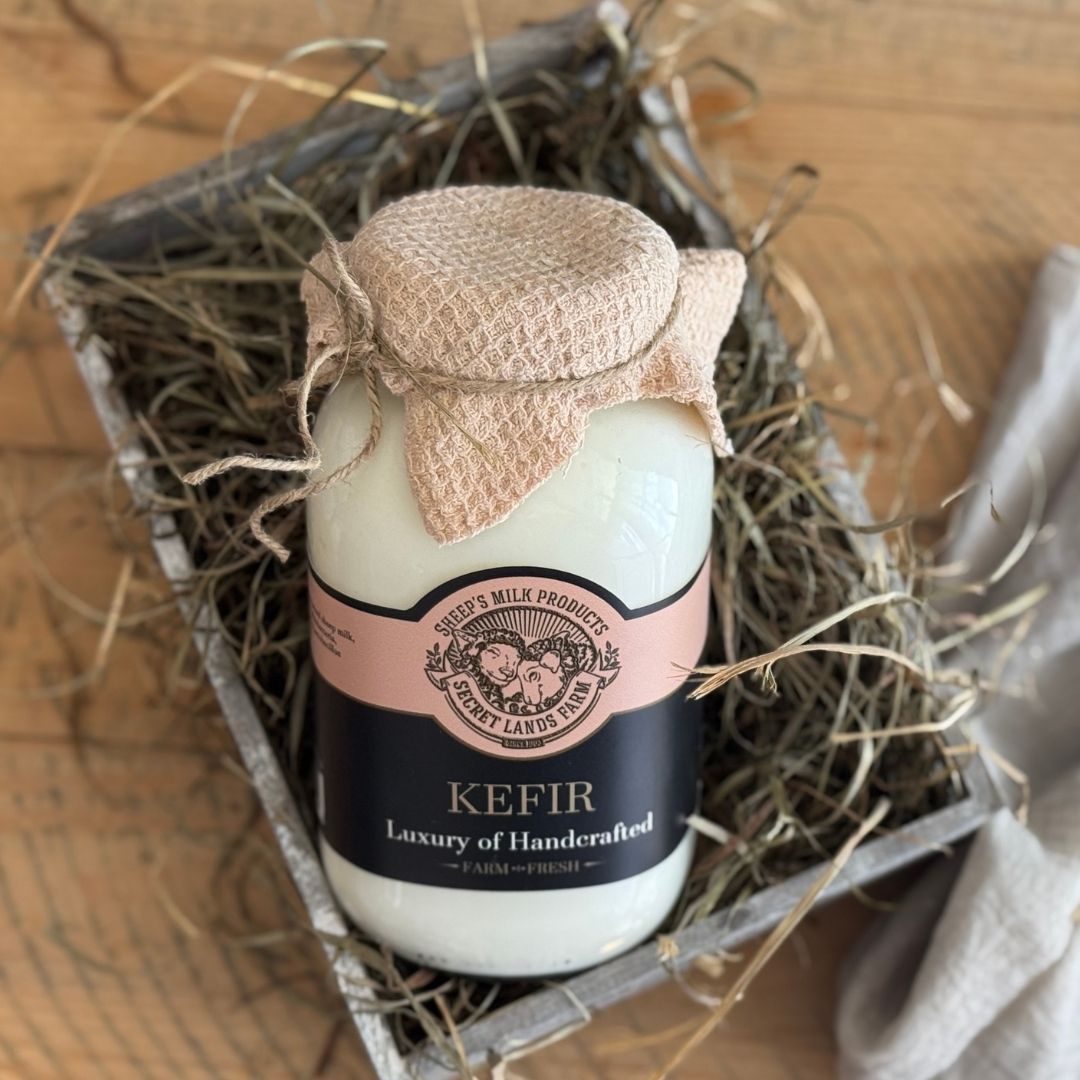
Kefir has long been celebrated as a nutritious fermented drink, but its benefits go beyond the kitchen. For centuries, people have used kefir as a natural skincare remedy for glowing skin and healthy hair. In fact, even historical beauties like Cleopatra reportedly bathed in fermented milk to keep their skin youthful and radiant. Today, kefir skincare is regaining popularity as we discover how this probiotic-rich, two-ingredient elixir can nourish our skin inside and out. In this article, we explore the use of kefir for skin and the body. Will be sharing evidence-backed benefits, DIY tips, and why this simple, natural ritual might become your new beauty secret.
(Note: This information is for educational purposes and is not medical advice. Always patch-test new remedies and consult a professional for any severe skin conditions.)
Kefir for Face: Natural Skincare Benefits
Kefir is a skincare multitasker. This fermented milk (made from just milk and kefir “grains”) is packed with probiotics, lactic acid, and nutrients that can work wonders for your complexion. Research and expert insights suggest that applying kefir to the face may help strengthen the skin barrier, boost hydration, and calm irritation. The secret lies in kefir’s unique components:
Natural Alpha-Hydroxy Acids (AHAs)
Kefir contains lactic acid, a gentle AHA derived from milk. AHAs are famed in skincare for exfoliating dead cells and stimulating collagen production. A kefir face mask acts like a mild peel. It can brighten and smooth skin without the harshness of chemical peels. In fact, lactic acid from soured milk was Cleopatra’s secret to reducing wrinkles and achieving soft skin. Using kefir on your face can similarly promote a healthy glow by sloughing off dull skin and encouraging cell renewal.
Probiotics and Vitamins
Kefir is teeming with beneficial bacteria (like Lactobacillus strains) and B vitamins. When applied topically, these probiotics may help balance your skin’s microbiome. A balanced skin microbiome means fewer harmful microbes that trigger acne or inflammation. Some evidence suggests probiotic skincare can reduce inflammation and restore the “good” bacteria on the skin, helping with conditions like acne and rosacea. Additionally, kefir’s vitamins (such as B1, B7/biotin, B12, K2) and peptides nourish the skin. It potentially improves elasticity and texture. This nutrient boost is why many consider kefir an anti-aging secret, capable of fighting free radicals and supporting collagen for firmer skin.
Hydration and Barrier Support
Applying kefir can be very soothing and moisturizing. The fatty acids in kefir (from milk) are literally building blocks of skin cells, helping strengthen the skin’s protective layers. Kefir’s slightly acidic pH (from lactic acid) also helps the skin barrier by keeping the surface at a healthy, low pH (which is hostile to harmful bacteria). In one study, people who drank kefir daily saw improved skin hydration and water retention in just 2 months. It is showing how kefir’s effects can hydrate from within. Topical use adds hydration externally. Kefir acts as a natural emollient, leaving skin feeling soft and moisturized after use.
Kefir Face Masks and DIY Skin Care
One of the simplest ways to use kefir for face care is as a mask or gentle cleanser. You can use plain kefir (preferably unsweetened, whole-milk kefir) directly on the skin, or mix it with other natural ingredients to enhance its effects. Here are a few kefir skincare ideas:
Pure Kefir Face Mask
Gently apply a thin layer of plain kefir on clean skin and leave it for about 15–20 minutes. As it dries, you might feel a slight tightness – that’s normal. Rinse off with cool water. This simple mask leverages kefir’s AHAs and probiotics to exfoliate and soothe. It’s even mild enough that some people with acne or sensitive skin use just kefir alone overnight as a spot treatment. The result is often a fresher, dewier complexion by morning.
Kefir Honey Mask
For added moisture, mix 2 tablespoons of kefir with 1 tablespoon of raw honey. Honey has its own antibacterial and hydrating properties. Apply for 15 minutes, then rinse. This combo can help calm inflammation (great for acne-prone skin) and draw moisture into your skin, leaving it nourished.
Kefir and Oatmeal Cleanser
Dip a cotton pad in kefir and use it to cleanse your face as you would with a toner. You can even add a pinch of fine oat flour or blend kefir with colloidal oatmeal to make a soothing cleansing paste. Oatmeal plus kefir can gently remove impurities while brightening the skin. Many enjoy kefir as a natural toner/cleanser because the fermented acids help dissolve excess oil and refine pores.
Kefir Cucumber Mask (for oily/combination skin)
Blend 2 tablespoons of kefir with the juice of a small, grated cucumber. The kefir provides probiotics and exfoliation, while the cucumber adds a cooling, pore-tightening effect. Apply for 15–20 minutes. This mask can help balance oil production and hydrate where needed, leaving skin calm and refreshed.
Exfoliating Kefir Scrub
You can even mix a bit of coffee grounds or fine sugar into kefir to make a DIY body or face scrub. The lactic acid in kefir softens dead skin, and the gentle grit exfoliates physically. Be sure to use very fine, gentle particles and avoid them if you have very sensitive skin or active acne. And test that you’re not sensitive to the scrub additives like coffee.
Tip: Kefir’s sour scent disappears after rinsing, but if you dislike it, you can add a drop of a skin-safe essential oil (like lavender) to your mask. Just remember, the simpler the ingredients, the lower the risk of irritation.
Benefits of Kefir on Skin Health (What the Science Says)
Beyond folk recipes, there is growing scientific interest in kefir’s skin benefits. While research is still emerging, a few studies support what traditional wisdom has long said. Kefir can be good for your skin:
Improved Skin Hydration
As mentioned, one clinical study found that regular consumption of kefir improved skin moisture levels and overall cutaneous water balance, even in healthy volunteers. Well-hydrated skin looks plumper and more radiant. This ties in with topical use – hydrated skin is glowing skin. There’s also anecdotal evidence that using kefir masks helps keep skin supple, thanks to their mix of fats and humectants.
Stronger Skin Barrier & Less Sensitivity
A small trial among people with atopic dermatitis (eczema) showed that drinking kefir daily for 8 weeks reduced the severity of their eczema symptoms. The researchers noted kefir appeared to improve the skin’s barrier function, making the skin less prone to irritation and water loss. A robust barrier is crucial for keeping skin calm and healthy. Probiotic strains found in kefir (such as Lactobacillus paracasei) have been shown in other studies to reduce skin sensitivity and accelerate barrier recovery. So, kefir’s components might help fortify our skin’s defenses against harsh weather, pollution, and even the effects of aging.
Anti-Aging and Clarity
Kefir’s probiotic power may also translate to anti-aging effects. Some lab studies indicate that kefir’s cultures (e.g., Lactobacillus kefiri and others) produce antioxidants and substances that protect collagen in the skin. By reducing inflammation and neutralizing free radicals, kefir could help prevent the formation of wrinkles and loss of elasticity over time. Moreover, a balanced gut (from drinking kefir) has been linked to clearer skin and fewer acne flare-ups, due to less systemic inflammation. Topically, the anti-inflammatory effect of kefir’s probiotics can soothe acneic skin as well. While more research is needed, these findings are promising – they suggest kefir might be a true “inside-out” beauty elixir.
In short, the benefits of kefir on skin range from simple moisturization to helping with acne, eczema, and signs of aging. It’s rare to find a single natural product that can gently exfoliate, fight microbes, calm irritation, and moisturize all at once. Yet kefir checks all those boxes. No wonder kefir has been called a “best kept beauty secret” by natural skincare enthusiasts!
Kefir for Body: All-Over Skin Care
We’ve covered face, but what about the rest of your body? Good news – you can absolutely use kefir as a total body skincare treatment. Think of it as an all-natural lotion, cream, or even a bath soak that can rejuvenate your skin from neck to toes. Here are some ways kefir benefits the body’s skin:
Moisturizing Body Mask or Lotion
Just as kefir hydrates facial skin, it can soften dry skin on elbows, knees, hands, and body. You can rub plain kefir onto rough patches (like a DIY kefir lotion) and leave for 10-15 minutes before rinsing. It acts like a gentle body mask, delivering moisture and exfoliating with lactic acid. If you have time for self-care, try a full-body kefir mask: apply kefir to your arms, legs, and other areas. Let’s sit for a bit, then shower. Skin often feels silky-smooth afterwards, similar to the effect of a yogurt or milk spa treatment.
Soothing Bath Soak
One luxurious way to use kefir for body skin is in the bath. Add 1-2 cups of kefir into a warm (not hot) bath and soak for 20 minutes. This turns your bath into a probiotic milk bath, reminiscent of those ancient royal beauty rituals. The kefir bath can help soothe dryness, calm minor sunburns, or just soften your whole body’s skin. Many people find that milk or kefir baths leave their skin with a mild protective film, which is excellent for locking in moisture after the bath. For extra indulgence, you can toss in a handful of oats or rose petals. But avoid anything that might interact poorly with the kefir’s live cultures (so, no harsh soaps or bath oils at the same time).
Natural Exfoliation for Body Skin
Use kefir in homemade body scrubs for gentle exfoliation. For example, mix kefir with sugar or salt, along with a bit of oil, to create a scrub. The abrasive particles will buff away dead skin, while kefir’s lactic acid works on a chemical level to loosen dull skin. Regular exfoliation with kefir scrubs can help keratosis pilaris (those tiny rough bumps) and ingrown hairs by clearing pores and softening skin. Just be gentle and moisturize afterwards. Though you might find your skin is already quite moist from the kefir’s conditioning effect.
Targeting Skin Conditions
Some anecdotal reports suggest applying kefir to certain skin troubles can be beneficial. For instance, kefir for eczema – one story tells of a mother using a kefir-based cream on her child’s eczema with significant improvement. The probiotics and vitamin A in kefir are thought to help tame eczema inflammation. Additionally, kefir’s antifungal properties make it a rumored remedy for conditions such as athlete’s foot and fungal rashes. A kefir paste applied to the feet daily may help fight foot fungus, thanks to the live cultures that produce natural antifungal compounds. While these uses have less formal research, they are low-risk to try for mild cases (again, if any condition is severe or worsening, see a doctor).
One important note for body use: kefir does sour and spoil if left on too long without rinsing (it’s an active fermentation, after all). So avoid, say, applying kefir and leaving it on for days. When used appropriately, it shouldn’t leave any unpleasant odor on your skin. If you notice a sour smell after a bath or mask, simply rinse off with clean water. Typically, the subtle natural scent fades quickly, leaving you with glowing, comfortable skin.
Safety and Personalization of Kefir Skincare
A significant advantage of using kefir in skincare is its simplicity and naturalness. With only two basic components – milk and probiotic cultures – kefir is free of the long list of chemicals found in many commercial creams. This simplicity means a lower risk of irritation or allergies. When you pick up a store-bought lotion that has 30, 50, or even 100 ingredients, there’s a risk your skin might react to one of them. In contrast, with plain kefir, you pretty much know what you’re getting, and it’s easier to pinpoint if it “works” for you or not.
That said, natural doesn’t guarantee that absolutely everyone will tolerate it. Here are some safety tips and considerations:
Allergies
If you have a known milk allergy, do not use dairy kefir on your skin (or hair) – even externally, it could provoke a reaction. Kefir is made from milk, and while fermentation breaks down lactose, it doesn’t remove milk proteins that cause allergies. There are non-dairy kefirs (like water kefir or coconut milk kefir) that could be alternatives, but they differ in composition. For most people, kefir is very gentle, but allergy is a special case. (Note: lactose intolerance is different – if you’re just lactose intolerant, using kefir on your skin shouldn’t be an issue since lactose intolerance only matters when ingesting. In fact, even ingesting kefir is usually fine for the lactose intolerant, as kefir’s bacteria pre-digest much of the lactose. So it is basically lactose-free.)
Do a Patch Test
Whenever you try a new skin treatment, it’s smart to do a quick patch test. Apply a small amount of kefir (and whatever mix you plan to use) to a small area of skin, such as your inner wrist or the back of your ear. Wait 24 hours and see if any redness or itch develops. Adverse reactions to kefir itself are uncommon, but if you have super-sensitive skin, you might notice some irritation. Better to test first!
Watch the Other Ingredients
Many kefir DIY recipes include things like honey, eggs, oils, or fruits. Each of those comes with its own allergy/irritation considerations. For example, some people are sensitive to raw egg on the skin or the rough grounds in a coffee scrub. Always ensure you’re not introducing an irritant along with the kefir. Kefir itself is mild, but a recipe is only as safe as its harshest ingredient. When in doubt, use kefir solo – it’s still effective on its own.
Avoid Preserved or Flavored Kefir for Skin
Use plain, live kefir for best results. If you buy kefir, get an unsweetened, full-fat one with live cultures. Flavored kefirs often have sugar, which can feed harmful bacteria on the skin or make things sticky. Preservatives or additives could also counteract kefir’s good microbes. The ideal kefir for skincare is as natural as possible. Basically, the kind you’d eat or drink for health benefits (just plain). If you make kefir at home with real kefir grains and quality milk, that’s perfect. If buying, read the label to ensure it’s authentic kefir (some products labeled “kefir” might just contain yogurt cultures or have been pasteurized after fermentation, which kills the probiotics). The quality of kefir matters: all the skin benefits we discussed rely on kefir being properly fermented with a rich community of probiotics and nutrients.
Freshness
Use fresh kefir for your masks and soaks. Old kefir that’s over-fermented might be too acidic (very sour), which could irritate skin. A good rule is if you wouldn’t comfortably drink it, you might not want to put it on your face. Slightly over-sour kefir can still be used in baths or on feet (some people purposely let kefir separate into a thicker “kefir cheese” for face masks), but just be cautious with ultra-strong batches.
Finally, remember that skincare is personal. What works wonders for one person (or one part of your body) might need adjustment for another person (or another part of your body). Kefir is generally very safe and gentle for most, but listen to your skin. If your skin likes the kefir routine, you’ll know. You’ll see improvements in texture, hydration, or clarity. If not, you can easily stop (and maybe enjoy the rest of that kefir in a smoothie instead!).
Conclusion: Embracing the Kefir Ritual
Using kefir for skin is a beautiful example of a traditional ritual meeting modern wellness. It’s affordable, natural, and backed by both folk wisdom and a growing body of scientific research. By incorporating kefir into your beauty routine, you’re essentially treating your skin to a probiotic spa. Feeding it beneficial microbes, gentle acids, and vitamins that help it thrive. Whether you’re applying a kefir mask on your face or soaking in a warm kefir bath, you’re indulging in a practice that has been cherished in various forms for centuries.
However, results can depend heavily on the quality of the kefir. To truly reap the benefits, make sure you’re using real, live kefir made from actual kefir grains and good-quality milk. Authentic kefir (especially made from whole milk) contains the full spectrum of fats, proteins, and probiotics that make it so powerful. If you’re brewing your own, use milk that suits you best (cow, goat, sheep – whichever you digest well and aren’t sensitive to). After all, as we often say, if you can safely eat/drink it, you can usually put it on your skin. The same intolerances can apply both inside and out.
Canada’s Best Kefir for Skin Health
If you opt to buy kefir, choose plain kefir, free of sweeteners or artificial additives. A locally fermented, organic kefir is ideal. For our Canadian readers, Secret Lands Farm is renowned for crafting traditional kefir using grass-fed sheep’s milk and heirloom kefir grains, with no compromises. We pride ourselves on delivering kefir that is truly alive and potent, just as it’s meant to be. (If you’re searching for a high-quality kefir in Canada, feel free to explore the one we make on our website. It might become your skin’s new best friend!)
In closing, kefir can be a wonderful addition to a holistic skin-care and hair-care routine. It exemplifies the idea that sometimes the best solutions come from nature, in simple forms. Drinking kefir for overall health and applying it externally for direct benefits can give you a one-two punch for beauty: a healthy gut and healthy skin. As with any routine, tailor it to your unique needs – and enjoy the process. Skincare should be self-care, and what’s more soothing than a creamy kefir mask after a long day?
Give this ancient ritual a try, and you just might find yourself glowing – from the inside out – with a bit of help from kefir. Cheers (and smears) to radiant skin and hair!
Sources:
- Kefir’s probiotic skincare benefits sansskincare.com
- Historical use of fermented milk for beauty (Cleopatra’s baths) helladelicious.com
- Kefir face mask effects on exfoliation and acne/rosacea lifewaykefir.com
- Studies on kefir improving skin hydration and eczema ecvilibria.com