


Winter in Canada is long, dark, and cold. A season that challenges our bodies and immune systems. To thrive through the frosty months, we need more than quick fixes or ultra-processed snacks. We need real food nourishment.
At Secret Lands Farm, we understand that Canadian winter nourishment and food traditions go hand in hand.
In winter, our bodies crave warm, nutrient-rich meals to keep us energized, comforted, and healthy. In this festive and modern guide, we’ll share why hearty winter meals.
Soups, stews, and casseroles are so important, and how our farm’s lamb products, from collagen-rich broth to pulled lamb and traditional suet, can help you protect health in winter with delicious, easy dishes.
Let’s explore how to support your wellbeing and immune system protection in winter through cozy, nourishing foods. Just with a few fun recipe ideas and nutritional facts along the way.
Canadian Winter and the Need for Nourishing Food
Canadian winters aren’t just cold, they’re nutritionally demanding.
Frigid temperatures and shorter daylight hours can leave us feeling low on energy and more susceptible to colds. We spend more time indoors, which can mean less vitamin D and fresh air.
That’s exactly why winter meals should do more than fill our stomachs. They should actively fortify our bodies.
Cooked, warm, nourishing food
Traditionally, people have turned to cooked, warm, nourishing food in winter for good reason. Warm meals help us maintain our core temperature and provide comfort on gloomy days. They also tend to be hearty and nutrient-dense.
Think of classic cold weather food like a rich stew or a bowl of vegetable soup. These dishes aren’t just folk remedies but practical nutrition for winter wellness. In fact, enjoying warm, wholesome foods can help regulate body temperature and keep you feeling satiated and cozy when it’s freezing outside.
Limits of ultra-processed convenience foods
Importantly, winter is when many realize the limits of ultra-processed convenience foods.
No doubt, microwaved dinners or sugary snacks might give quick caloriesbut!
But they often lack the vitamins, minerals, protein, and healthy fats our bodies truly need during stressful cold months.
This is where real food shines.
By focusing on natural ingredients, like vegetables, whole grains, and high-quality meats, we supply our bodies with fuel that strengthens us from within. For example, soups or casseroles loaded with root veggies and lean meats provide fibre, protein, and antioxidants in one comforting package.
In winter, we also require more energy to stay warm. And traditional diets around the world incorporate extra healthy fats and denser foods in colder seasons.
Don’t worry, this doesn’t mean overeating or breaking the bank.
Even winter meals on a budget can be incredibly nourishing if you plan wisely. Use seasonal produce, pantry staples like beans and grains, and affordable cuts of meat or bone broth.
In this season, protecting your health in winter starts with bracing your diet. By choosing warm, real foods over processed alternatives, you give your body the tools it needs to stay healthy, energetic, and even a little happier during those dark winter days.
Immune System Protection in Winter Through Diet
Winter is also known as cold-and-flu season! Which makes supporting our immune system a top priority. Along with hand-washing and staying active, food is one of our best lines of defence.
A well-nourished body is better prepared to fight off viruses. So, how can you improve your health in winter with diet?
Focus on immune-boosting nutrients and whole foods
For starters, ample protein and iron are crucial for immune function.
Meats like lamb are an excellent source of both. Grandma was right when she gave you chicken soup for a cold! Quality protein and iron support a healthy immune system, and too little iron can weaken immunity.
Lamb, in particular, is a rich source of vitamins and minerals, such as vitamin B12, iron, and zinc. These nutrients play vital roles in immunity and overall vitality. Vitamin B12 helps keep our blood cells and nerves healthy! Iron supports energy and immune cell function! Zinc is essential for immune cell development and healing.
In fact, zinc and vitamin C are often highlighted for winter health. But experts note that it’s best to get these from foods rather than high-dose supplements. A red bell pepper or some leafy greens in your stew can provide a vitamin C boost, helping your immune cells function properly. And nuts or seeds as a snack can give you extra zinc and vitamin E for immune support.
Real whole foods
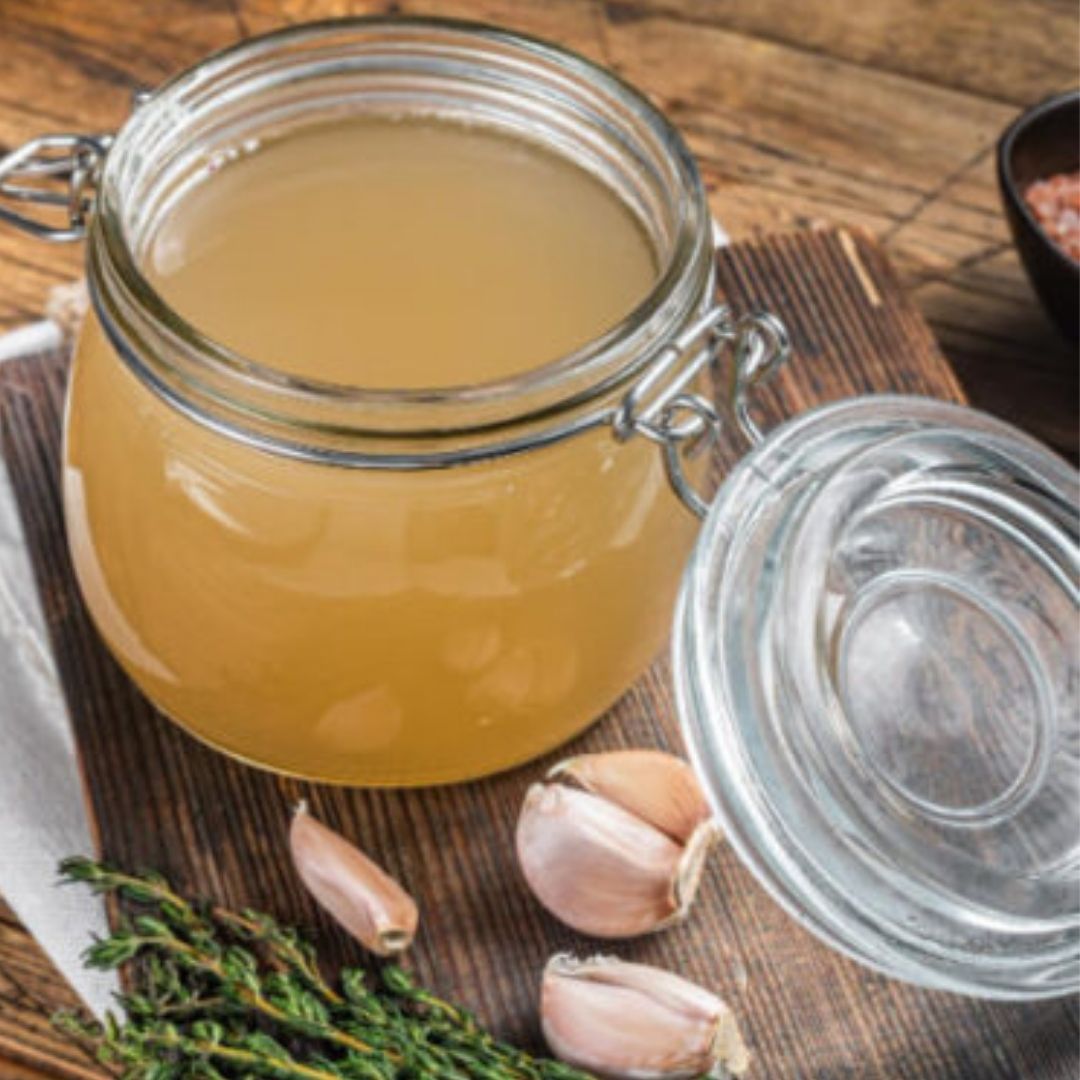
Beyond these basics, real whole foods offer synergistic benefits. A great example is bone broth, which has gained popularity as an immune-supportive food.
When you simmer bones for hours, you extract collagen and gelatin. Which aren’t just good for joints and skin; they also benefit your gut health.
Why does gut health matter for immunity? Because a huge part of our immune system is actually in our gut. Gelatin from bone broth contains glutamine, an amino acid that fuels the cells of your intestinal lining, helping to strengthen the gut barrier.
A healthy gut barrier blocks out “pesky bugs” and pathogens, keeping them from making you sick. In other words, sipping on a warm bone broth or soup made from it can literally help “seal” your defences.
Researchers have noted that drinking collagen-rich broth regularly may support better digestion and a stronger immune response over time. This is immunity, the natural way – no pills required, just real nourishing food.
Don’t forget vitamins A and D either.
Vitamin D (from fish, eggs, or fortified foods) is hard to get in winter because sunlight is low. But vitamin A is abundant in many winter veggies, such as carrots, squash, and sweet potatoes.
Vitamin A is sometimes called the “anti-infective” vitamin! Because it’s critical for maintaining the surfaces of your respiratory and digestive tracts, basically keeping your body’s entry points guarded.
A lamb stew packed with carrots and sweet potatoes isn’t just comfort food!
It’s immune fuel rich in vitamin A and fibre. Likewise, herbs and spices used in winter cooking – garlic, ginger, cinnamon, thyme! Have antimicrobial and anti-inflammatory properties that can support immunity in subtle ways, plus they make food taste great.
The key takeaway for winter immunity
Rely on whole, nutrient-rich foods.
Studies show that we gain the most immune benefits by eating vitamins and minerals in foods, not in isolated supplement form.
Mega-doses of pills can even backfire, whereas a balanced diet is safe and effective.
So, to bolster your defences this winter, enjoy plenty of colourful vegetables, quality proteins, and natural broths.
Hydration is important too! Warm teas and soups keep your fluids up, which helps your body carry out immune functions. By prioritizing these healthy winter meals, you’re giving your immune system the best possible armour against the chill and colds of the season.
Warm Winter Meals: Soups, Stews, and Comfort Foods
When it comes to winter meal ideas, you can’t beat soups, stews, and other hearty one-pot dishes.
Not only are these foods soothing on a cold day! But they’re also nutritionally dense.
Soups and stews let you pack a variety of ingredients into one meal. Lean meat or legumes for protein, plenty of veggies for vitamins and fibre, maybe some whole grains or potatoes for energy-rich carbs, and herbs/spices for flavour.
The result is a balanced dish that warms you from the inside out and provides a broad spectrum of nutrients.
Nutrition experts noted
Nutrition experts note that many winter soups are loaded with fibre-rich vegetables, like carrots, squash, sweet potato, and kale, which support digestion and a healthy gut.
A good soup or stew also provides hydration, an often-overlooked aspect of winter health. The warmth of a soup not only comforts you! But it also encourages you to drink the nourishing broth, helping you stay hydrated and even aiding kidney function and circulation. It’s easier to forget to drink water when it’s cold!
So soups and warm drinks are a smart way to meet your fluid needs.
For healthy winter dinners, consider making soup a regular star on your table!
There are endless winter food ideas in this category:
a classic vegetable soup with beans, a creamy squash bisque,
a spicy chilli,
or a hearty lamb-and-barley stew.
Winter soups and stews are also terrific for families. They’re one-pot, easy to prepare in large batches, and you can freeze leftovers.
Talk about easy winter meals for family nights!
You can also involve the whole family in prepping a winter vegetable soup: chopping veggies is a great activity for a cozy afternoon.
To keep things interesting, try rotating recipes.
Perhaps a winter vegetable soup one day, a lentil stew the next, and a rich lamb soup or Hungarian goulash another night.
For an easy cold weather meal, using a slow cooker or Instant Pot can be a game-changer. Simply throw in your ingredients in the morning and come home to a ready, hot dinner.
If you’re watching your budget, soups and stews are very forgiving.
They make the best winter meals on a budget.
You can use affordable ingredients, seasonal veggies, beans, grains, and tougher cuts of meat or bones that become tender with slow cooking.
A winter meal on a budget tip
Use bone broth and inexpensive root vegetables to create a luxurious-tasting soup without expensive ingredients. Add some pulses, like lentils or split peas, for extra protein that’s easy on the wallet. A pot of homemade soup can feed the family and stretch for days.
Don’t underestimate the power of a winter casserole or bake.
Dishes like shepherd’s pie, made with lamb and mashed potatoes. Or a vegetable gratin with cheese can be a comforting dinner idea for a cold day. This feels indulgent, but can be packed with nourishment. Think protein from meat or beans, fibre from veggies, and warmth from the oven.
Finally, remember that enjoying your food and having it taste good is part of being well.
A meal of winter soups and stews not only nourishes your body. They can also become a treasured ritual!
Imagine the whole family ladling soup from a big pot, the windows fogged up against the snow outside. Those moments are emotionally nourishing, reducing stress and bringing a sense of comfort and togetherness.
That mental well-being boost is a hidden ingredient in all the best winter meals.
Lamb: The Star of Healthy Winter Dinners
Let’s talk about one of our favourite winter superfoods: lamb.
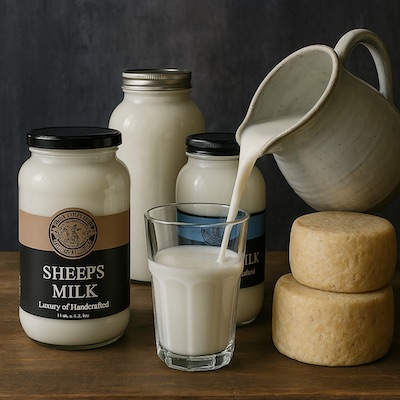
At Secret Lands Farm, we raise East Friesian sheep not just for dairy!
But also for exceptional lamb meat and bones. And these can become your Secret weapons for winter nutrition.
Lamb often takes center stage in easy cold weather meals because it’s flavorful, hearty, and loaded with nutrients. As mentioned, lamb is a rich source of high-quality protein and contains vitamin B12, iron, and zinc, among other nutrients.
These nutrients are important for everything from energy production to immune defence.
For example, zinc from lamb and other meats is highly bioavailable and better absorbed than plant zinc. And supports immune cell function and wound healing.
Iron from lamb is heme-iron, which your body uses easily to keep your blood oxygenated and your immune system robust. Vitamin B12, only found in animal-derived foods, keeps your nerves and blood cells healthy and can help prevent the winter fatigue that comes from low B12 or anemia.
Beyond vitamins and minerals
Beyond vitamins and minerals, lamb contains special nutrients, such as conjugated linoleic acid (CLA), a healthy fat linked to benefits like reduced inflammation.
And if your lamb comes with a bit of fat, that’s actually a good thing in winter!
References & Nutritional Info:
- High-quality meats like lamb provide protein, iron, and zinc, vital nutrients for immunity and overall health.
- Bone broth gelatin contains glutamine, which fuels gut cells and supports a strong gut barrier – a key part of the immune system. Collagen in broth may improve skin, joint, and gut health, contributing to wellness during winter.
- Soups and stews are excellent winter meals, often rich in fiber, vitamins, and fluid for hydration; they help improve digestion and even support immune health by providing balanced nutrition.
- Real food vs. supplements: Nutrients are most effective when obtained from whole foods. Research shows that eating foods rich in vitamins (rather than taking mega-dose supplements) yields better immune benefits – plus, it’s safer and more balanced.
- Traditional animal fats like lamb tallow contain fat-soluble vitamins (A, D, E, K) and healthy fats that aid vitamin absorption. Incorporating moderate amounts can support immune function and provide needed energy in cold weather.