



Nourishing Our Bodies for Health and Comfort
Winter in Canada is more than just a change in weather. It’s a whole season that challenges our bodies and spirits. The Canadian winter is long, dark, and cold, leaving us feeling drained and craving comfort.
At Secret Lands Farm, we understand these challenges deeply. We’re not a supplement brand or a quick-fix shop. We are a real food solution for those seeking warmth and nourishment.
In fact, winter is precisely when many people realize the limits of ultra-processed convenience foods. Frozen dinners and snack bars might fill you up, but they won’t truly protect your health in winter.
So, how to improve health in winter? We believe the answer lies in embracing real, nourishing foods that support the body’s needs.
In this article, we’ll explore why winter affects us biologically and emotionally, and how wholesome cold-weather food can help. Hearty winter meals to probiotic-rich drinks help keep us healthy, comforted, and energized all season long.
Winter as a Biological Season: Why We Need Hearty Winter Meals
We often think of winter in terms of snow and temperature, but it’s also a biological season for our bodies. The long nights and short days of a Canadian winter can disrupt our internal rhythms. Shorter winter days mean less exposure to light, which can disrupt your circadian rhythm (nm.org). This disruption can leave us feeling fatigued and sluggish, and even hungrier than usual. In fact, one common symptom of the winter blues (Seasonal Affective Disorder) is overeating and craving carbohydrates. It’s no wonder we gravitate towards hearty winter meal ideas like warm stews and breads when the sun sets before dinner.
Additionally, cold temperatures themselves subtly increase our energy needs. When we venture out into freezing weather, our bodies burn extra calories to stay warm (especially if we’re shivering). We naturally seek high-calorie, high-fat foods during winter. Think creamy soups, cheeses, and roasts – to meet these needs and to feel satisfied. These healthy winter dinners don’t just fill our stomachs; they literally help fuel our internal “heater.” Traditional cold-day dinner ideas often include rich ingredients, which is why they tend to be rich. Our ancestors survived harsh winters on diets rich in fat and protein. And our bodies still appreciate those nutrients when it’s freezing outside.
Another biological hurdle is the lack of fresh produce in winter. With the majority of farmers’ markets closed and the ground frozen, our winter diet can easily become deficient in specific vitamins if we’re not careful. Less sunshine means fruits and vegetables grow sparsely, and we get fewer sources of vitamin C and other antioxidants.
Mother Nature has a clever answer: fermented and aged foods.
For centuries, people have preserved the harvest through fermentation. Making sauerkraut, pickles, aged cheeses, and kefir – not just to avoid spoilage, but to boost nutrition.
Fermentation can enhance the bioavailability of nutrients, thereby increasing the levels ofcertain vitamins.
For example, sauerkraut can have up to 20 times more bioavailable vitamin C than fresh cabbage. In an era before citrus imports, fermented cabbage in winter kept scurvy at bay. Even today, these traditional winter food ideas are wise choices. A jar of sauerkraut or a wedge of aged cheese brings far more than tangy taste; it brings vitamins, enzymes, and probiotics that our winter-weary bodies crave.
Winter puts stress on our immune system and gut.
Cold weather and more time spent indoors (often in close quarters) create a perfect storm for colds and flu. Our respiratory system isn’t the only thing under strain. Our gut health can suffer, too, mainly if we rely on too many processed comfort foods. It’s during these months that we need to double down on nourishment. This is where the right foods quietly become our winter heroes.
Secret Lands Farm positions itself not just as a store.
Secret Lands Farm quietly positions itself not just as a store, but as a winter nourishment companion. We produce exactly the kinds of wholesome foods that meet these biological winter needs. Let’s look at a few key examples of nutrient-dense foods that naturally support our bodies in the cold:
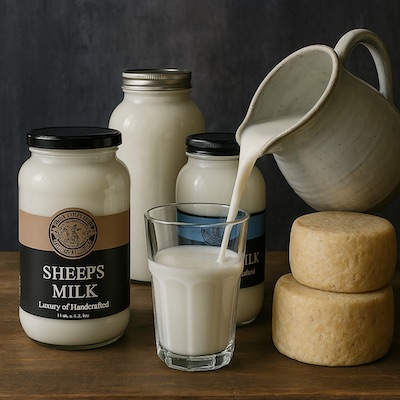
Sheep’s Milk Fats: Our sheep’s milk is rich in energy and good fats that help keep you warm and satisfied. Sheep’s milk contains roughly twice the fat of cow’s milk, including high levels of medium-chain triglycerides (MCTs) that your body quickly burns for heat and energy. It’s also full of fat-soluble vitamins that support your immune system. Despite being richer, the fat in sheep’s milk is in smaller globules, which makes it highly digestible. In winter, a creamy sheep’s milk yogurt or a splash of sheep’s milk in your winter soups can add both comfort and concentrated nourishment.
Kefir Cultures: We ferment our sheep’s milk into kefir, a tangy probiotic drink, because probiotics are beneficial bacteria that support gut health and immune function. Kefir cultures are like a supportive community for your microbiome. A healthy gut microbiome can improve your body’s resistance to infections – a crucial benefit when you’re trying to protect health in winter and fend off colds. Sipping a glass of kefir or blending it into a smoothie is an easy way to bolster your gut defences. Researchers have noted a wealth of ongoing research on probiotics and immunity. They recommend fermented foods like yogurt, kefir, sauerkraut, and kimchi for immune support. In the absence of summer berries and salads, a daily cup of kefir is like a winter booster shot for your gut.
Aged Cheeses: Our aged sheep cheeses aren’t just gourmet treats; they’re natural multi-vitamins. As milk ages into cheese, it retains all the protein and minerals but loses most of the lactose, making aged cheeses easy to digest.
In fact, some aged cheeses also carry beneficial bacteria. According to Harvard Health, probiotics can be found in cheeses that have been aged but not heated afterward (like cheddar, Gouda, or Swiss ). These live cultures can help restore a healthy balance of gut bacteria, similar to yogurt or kefir.
Cheese is also a fantastic source of calcium and phosphorus for bone health. In sheep’s cheese, those minerals are exceptionally high. We like to think of our aged cheeses as a delicious way to strengthen your body from the inside out. A few crumbles of sheep feta on a stew or a slice of pecorino with your meal can provide protein, calcium, and probiotics in one bite.
Bone-Building Minerals: Winter’s lack of sunshine can be hard on our bones. With less daylight, our skin produces less vitamin D, which is vital for calcium absorption and immune function.
In fact, Canadians are twice as likely to have vitamin D deficiency in late winter (13% of people from November to March, compared to 5% in summer). That’s why we focus on foods rich in bone-building minerals and vitamins.
Sheep’s milk is naturally loaded with calcium, magnesium, zinc, and vitamin D.
One glass of sheep’s milk can provide nearly 50% of an adult’s daily calcium needs. It has significantly more calcium than cow’s milk. Plus, specific cofactors like vitamin K2 (in cheeses), help deposit calcium into bones.
By enjoying sheep dairy throughout winter, a cup of warm milk, and a few slices of cheese, you’re giving your bones the nutrients they need to stay strong until the sun returns. And zinc, also abundant in sheep’s milk, supports immune function to boot. In essence, our products act like a natural mineral supplement, but in a tasty, whole-food form.
Immune System Protection in Winter: The Gut-Health Connection
Winter and illness often go hand in hand. How many of us stock up on tissues and cold medicine as soon as the temperature drops?
At Secret Lands Farm, we prefer a preventive approach. Fortify the body before illness strikes. A considerable part of immune health resides in the gut. As much as 70% of our immune system is associated with our gastrointestinal tract, and the microbes living there play a crucial role in how well we fend off pathogens. So, immune system protection in winter really begins with nurturing your gut flora.
Probiotic-rich foods
Probiotic-rich foods are our allies here. We’ve already mentioned kefir and aged cheeses as probiotic sources. Please incorporate these into your daily winter meals to help keep your gut microbiome robust. According to dietitians, eating foods that contain probiotics, such as cheese or kefir, can help restore a healthy balance of gut bacteria and potentially improve your health.
We take this to heart in our winter routines. For breakfast, we might enjoy overnight oats made with kefir or a slice of sourdough toast with a smear of cultured butter. Lunch could be a bowl of vegetable soup with a dollop of yogurt or grated cheese on top. These small additions continuously infuse meals with live cultures, maintaining a line of defence in our digestive system.
Beyond fermented foods
Beyond fermented foods, winter is the time to seek out immune-boosting nutrients. Vitamin C is famous for its role in immunity. While citrus may not grow in Canada, we can get vitamin C from winter-friendly foods like cabbage (sauerkraut, again!), hardy greens like kale, and even potatoes.
Antioxidants like vitamins A and E (plentiful in dairy and root vegetables) help keep our cells healthy. Minerals like zinc are crucial for immune cell function; you’ll find zinc in lamb, beef, seeds, and nuts, but also notably in sheep’s milk products.
We ensure our winter diet includes these elements: a handful of pumpkin seeds on a salad, a ginger-turmeric tea in the evenings, and plenty of garlic in our stews (garlic is a traditional antiviral food).
Don’t forget vitamin D
And let’s not forget vitamin D, the sunshine vitamin. As noted, our bodies make less of it in winter, so food and supplements have to fill the gap. Fatty fish and eggs are good sources, but so is milk; many cow’s milks are fortified with D.
Our sheep’s milk isn’t fortified, yet it naturally contains some vitamin D. Importantly, the healthy fats that help you absorb fat-soluble vitamins like D and A.
We encourage getting your vitamin D levels checked in winter and talking to a healthcare provider about supplements if needed. But alongside that, consuming real foods that provide a baseline of vitamin D and calcium creates a safety net.
A comforting mug of our sheep’s milk hot chocolate can thus be more than a treat; it can be part of your winter immune toolkit.
Hydration and rest
Finally, hydration and rest round out your winter defence.
It’s easy to get dehydrated in cold weather without realizing it (dry indoor air doesn’t help).
We love to hydrate in winter with warm liquids: broths, herbal teas, and kefir-based smoothies. Soups, in particular, are a fantastic way to combine hydration with nutrition.
A bone broth-based soup delivers fluids, collagen, and minerals. Add some fermented miso or a spoonful of kefir at the end. Just remember not to boil the kefir to keep the probiotics alive, and you’ve turned a simple soup into an immune tonic. And at night, nothing beats a full sleep for immune health. Our bodies repair and regulate during sleep. A probiotic nightcap, like a small glass of kefir or warm milk with honey, can even help promote better sleep as part of a cozy bedtime routine.
Comfort and Tradition: Healthy Winter Meals for the Soul
Nutrition aside, winter eating is also about emotional nourishment. During the dark, frosty months, food plays a massive role in lifting our mood and creating a sense of comfort.
At Secret Lands Farm, we embrace the festive and modern joys of winter cooking while keeping things healthy. This season is rich with food traditions, from big holiday feasts to the simple pleasure of a simmering pot of winter soups and stews.
You can indulge in these comforting rituals and give your body what it needs, all at once.
The atmosphere of a winter kitchen
Consider the atmosphere of a winter kitchen!
The warmth of the oven, the smell of spices like cinnamon and nutmeg, the sight of a hearty casserole bubbling with cheese.
These experiences are emotionally grounding.
They connect us to memories of family gatherings and the primal satisfaction of a well-fed belly on a cold night.
Our goal is to elevate these traditions with high-quality, farm-fresh ingredients so you feel good during and after the meal.
For example, instead of a processed cheese sauce on your potatoes, you might use our natural sheep’s cheese melted into a creamy gratin. You still get that golden, indulgent comfort-food experience, but with the bonus of real nutrition (protein, calcium, and no artificial additives). Minor upgrades like this can make winter meals both comforting and genuinely nourishing.
Find comfort in rituals.
We also find comfort in rituals like having a hot drink in the evening.
Many of our customers have shared that they’ve made our kefir a nightly ritual.
Enjoyed plain or mixed with a bit of cocoa and maple syrup for a “kefir hot chocolate.”
It’s creamy, tangy-sweet, and packed with probiotics that make their gut happy before bed.
Similarly, a slice of our aged cheese with whole-grain crackers and a few apple slices can be a lovely afternoon snack. That feels like a treat while stabilizing your blood sugar and providing nutrients. These little moments of treating yourself are essential for mental health in winter.
We actively encourage mindful enjoyment of winter desserts and treats.
Choose quality over quantity.
A homemade dessert like baked apples with cinnamon can satisfy a sweet tooth while offering fibre and vitamins.
We often serve ours with a drizzle of sheep’s yogurt or kefir. It’s an easy winter dessert that feels decadent but isn’t heavy on refined sugar or fat.
In fact, it’s rich in beneficial bacteria and protein.
By viewing food as both fuel and comfort, you create a positive winter narrative.
We’re not just “getting through” winter; we’re thriving in it with the help of our kitchens.
Each hearty stew or cozy cup of milk tea becomes an act of self-care.
And when you use nourishing ingredients, there’s no guilt attached to enjoying seconds or having a dessert.
Secret Lands Farm philosophy
This philosophy is at the heart of Secret Lands Farm.
We want our farm products to be part of your winter rituals, becoming the familiar staples that make the season feel memorable, satisfying, and healthy all at once.
After all, we’re in this winter together, and sharing the comfort of good food is one of the joys of the season.
Easy winter meals for family gatherings are often the ones made with love and improvisation. If you have our sheep’s milk or cheeses on hand, you already have a head start – their rich flavour can elevate even the humblest lentils or cabbage into something exciting. Plus, you can feel good knowing that each bite is contributing to your well-being during the winter grind.
Embracing Winter with Real Food and Warmth
As we wrap up! Imagine the Canadian winter not as an ordeal to endure, but as a special time to cocoon and care for yourself.
By choosing real food over processed shortcuts, you’re treating winter as an opportunity to thrive.
At Secret Lands Farm, we truly live this philosophy. We see ourselves as part of your winter journey! A winter nourishment companion rather than just a place to buy food. When you stock your pantry with our sheep’s milk dairy products, aged cheeses, and other farm goodies, you’re equipping your home with tools for wellness and comfort.
The beauty of nourishing our bodies in winter is that it also nourishes our hearts.
Cooking a pot of soup, baking a casserole, or blending a creamy smoothie can become rituals of joy that chase away the winter gloom.
The nutrients heal you from inside, and the act of cooking and sharing heals you from outside, through connection and satisfaction.
We take joy in knowing that our Canadian winter and food traditions – from a cup of kefir to a family fondue night with farm-fresh cheese – are helping you stay healthy and happy.
In summary
The Canadian winter may be extended, dark, and cold. But with the right foods, it can also be delicious, cozy, and strengthening.
By eating intuitively for the season, more healthy fats and protein, fermented and aged foods, plenty of minerals and probiotics, you give your body what it truly needs to flourish.
You support your health in winter from all angles: better energy, a resilient immune system, strong bones, and a contented mind. And you do it in a way that’s festive, modern, and upbeat, enjoying every bite along the way.
So this winter, let’s raise a mug of hot spiced sheep’s milk or perhaps a kefir smoothie together and toast to good food and good health.
Protecting our health in winter has never tasted so good.
Stay warm, eat well, and remember that from our farm kitchen to yours.
We’re here to help you savour the season in the most nourishing way possible.
Cheers to a healthy, hearty winter!
Sources:
- Northwestern Medicine – Effects of short winter days on circadian rhythm nm.orgnm.org
- Statistics Canada – Vitamin D levels dropping in winter (deficiency risk doubles) statcan.gc.ca
- Nutritionist Resource – Fermentation boosting vitamin C in foods like sauerkraut nutritionist-resource.org.uk
- White Plains Hospital (Health Matters) – Dietitian tips (probiotics support immunity; winter vitamin D and immune needs) healthmatters.wphospital.orghealthmatters.wphospital.org
- Harvard Health – Aged cheeses as a source of probiotics for gut health health.harvard.eduhealth.harvard.edu
- Secret Lands Farm – Sheep’s milk nutritional profile (high in digestible fats, protein, calcium and minerals) secretlands.casecretlands.ca